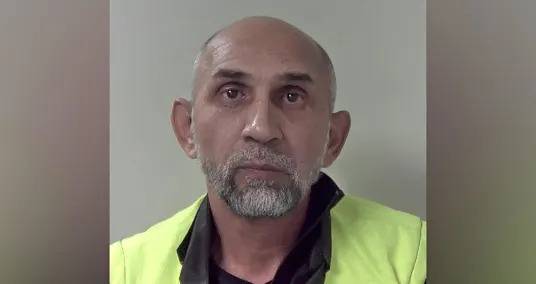
London — Sperm from a donor who unknowingly carried a cancer-causing gene has been used to conceive nearly 200 babies across Europe, an investigation by 14 European public service broadcasters, including CBS News' partner network BBC News, has revealed.
Some children conceived using the sperm have already died from cancer, and the vast majority of those who inherited the gene will develop cancer in their lifetimes, geneticists said.
The man carrying the gene passed screening checks before he became a donor at the European Sperm Bank when he was a student in 2005. His sperm has been used by women trying to conceive for 17 years across multiple countries.
The cancer-causing mutation occurred in the donor's TP53 gene — which prevents cells in the body from turning cancerous — before his birth, according to the investigation. It causes Li Fraumeni syndrome, which gives affected people a 90% chance of developing cancers, particularly during childhood, as well as breast cancer in later life.
Up to 20% of the donor's sperm contained the mutated TP53 gene. Any children conceived with affected sperm will have the dangerous mutation in every cell of their body.
"It is a dreadful diagnosis," cancer geneticist Clare Turnbull told the BBC. "It's a very challenging diagnosis to land on a family. There is a lifelong burden of living with that risk. It's clearly devastating."
How was the discovery made?
The affected donor sperm was discovered when doctors seeing children with cancers linked to sperm donation raised concerns at this year's European Society of Human Genetics.
At the time, 23 children with the genetic mutation had been discovered, out of 67 children linked to the donor. Ten of those children with the mutation had already been diagnosed with cancer.
Freedom of Information requests submitted by journalists across multiple countries revealed at least 197 children were affected, though it is not known how many inherited the genetic mutation.
More affected children could be discovered as more data becomes available.
"We have some children that have developed already two different cancers and some of them have already died at a very early age," Edwige Kasper, a cancer geneticist at France's Rouen University Hospital, told journalists.
The European Sperm Bank told CBS News that it does not ship to the United States due to U.S. regulations. A representative said the bank does work with with sperm banks in both Canada and Mexico.
How did the sperm get used by women all over Europe?
The donor sperm was sold by the European Sperm Bank in Denmark to 67 fertility clinics in 14 countries.
Nations have their own regulations about how many times a donor's sperm can be used domestically, but there is no international law restricting how many times a donor's sperm can be used worldwide.
It appears that some national laws were breached.
In Belgium, where sperm from a single donor is supposed to be used by a maximum of six families, 53 children were born to 38 different women using sperm from the donor with the genetic mutation, the investigation found.
Man who died on cruise ship served 33 alcoholic drinks "in a matter of hours," lawsuit alleges
U.S. fighter jets fly near Venezuela coast as military costs add up for taxpayers
latest_posts
- 1
 Uncover the Manageable Fish Practices: Sea agreeable Feasting
 - 2US FDA unveils new pathway to approve personalized therapies
- 3An Extended period of Voyaging Carefully: the World with Reason
- 4UK consumer confidence plunges amid escalating Iran conflict
- 5How to track NASA’s Artemis II and Orion’s journey to the moon


- New 'People We Meet on Vacation' trailer teases Poppy and Alex romance: Everything we know about the new Netflix movie
- Two reportedly killed as Israel attacks Hezbollah targets in Lebanon
- Viable Tips for Seniors to Purchase a Minimal expense Jeep Wrangler
- Hot peppers sent him to the ER. Two years later, a ‘ghost bill’ arrived.
- HGV driver recruited others to smuggle migrants
- Fossil analysis changes what paleontologists know about how long T. rex took to grow full size
- Why do people get headaches and migraines? A child neurologist explains the science of head pain and how to treat it
- Uzbekistan launches €9.46 billion green energy push, covering nation’s power needs
- How one man's concern saved his brothers from heart disease