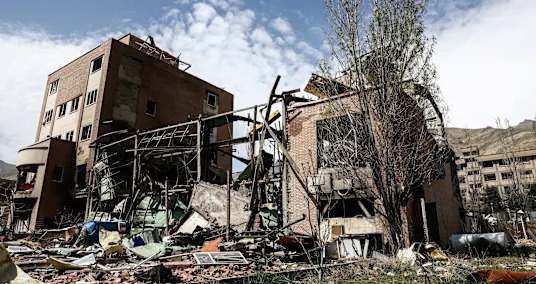
In Tehran, a city of nine million people, schools are closed, businesses are shuttered or struggling, and locals are living without a functioning air-raid warning system or public shelters. In many areas, the first sign of an incoming strike is the explosion itself.
There have been twice as many US and Israeli attacks on Iran compared to the number of Iranian retaliatory strikes since the war began — and the numbers killed in Iran have been orders of magnitude greater than in the neighboring Gulf states. A nationwide internet blackout, now entering its second month, has left civilians unable to access information about safety, shelter, and food and has meant some are unable to work. But while millions have fled Iran’s cities, many more are staying where they are. Some residents are hoping the US and Israeli bombs will cause the regime to collapse; others are left wondering if they are at risk if their neighbors are targeted.
For the many Iranians with ties to Dubai, there are other pressures, with Iranian nationals now barred from entering or transiting through the UAE. Residency permits, even for those with long-term Golden Visas, are reportedly being revoked without notice.

latest_posts
- 1
 Met Gala 2026 will celebrate fashion as an 'embodied art form': A guide to the theme, dress code, cochairs and hosting committee of the starry event
 - 2Trump said affordability is a ‘hoax’ in his Pennsylvania speech. What do the latest numbers show?
- 3Instructions to Really Oversee Unsold SUVs in the Auto Business
- 4Here's what the Artemis 2 astronauts will be doing on each day of NASA's historic moon mission
- 5The Best Web-based Courses for Expertise Improvement





- Malaysia To Revive Search for Missing Flight MH370
- The Leonid meteor shower is peaking early this week. Here’s what to know
- Surging measles cases are 'fire alarm' warning that other diseases could be next
- Best Wellness Tracker Keep You On target
- Brazil's agricultural research agency gets cannabis research greenlight
- The most effective method to Boost Benefits in Gold Speculation: Master Techniques and Tips
- Sydney Sweeney is returning in 'The Housemaid's Secret': What to know about 'The Housemaid' sequel
- Help Your Efficiency with These Work area Updates
- I binged all 24 Hallmark Christmas movies in less than 30 days. I emerged a changed man.


